Key summary
- Export packaging is costed per shipment, but its real cost includes empty space, damage and the return leg.
- Three switches can cut both cost and carbon: returnable, right-sized, and recycled or recyclable.
- Not every lane suits returnables. One-way export lanes often save more from right-sizing and recycled materials.
- Renting returnable packaging (OPEX) removes the upfront cost barrier. Buying (CAPEX) suits stable, high-volume lanes.
Most exporters treat packaging as a fixed line on the shipping bill. It isn’t. Every box decides how many parts fit in a container, how many arrive damaged, and how much waste lands at your buyer’s plant.
Why does export packaging cost more than it looks?
Because the price per box leaves out the costs that sit around it.
- Empty space. Packaging that doesn’t fit the part, or doesn’t fit the container, means paying freight on air.
- Damage. Parts that break across a long sea or road journey cost far more to replace than the packaging that failed them.
- The return leg. Returnable packaging has to come back. Shipped back empty and unfolded, it can cancel out the savings.
- Treatment and paperwork. Solid wood packaging over 6 mm thick must be treated and marked under the international ISPM 15 standard. Plastic, paper and cardboard packaging is outside its scope.
Look at all four, and the cheapest box is often not the cheapest way to ship.
What can exporters switch without raising cost?
Three switches, each suited to a different kind of lane.
1. Returnable packaging, for lanes with a return route
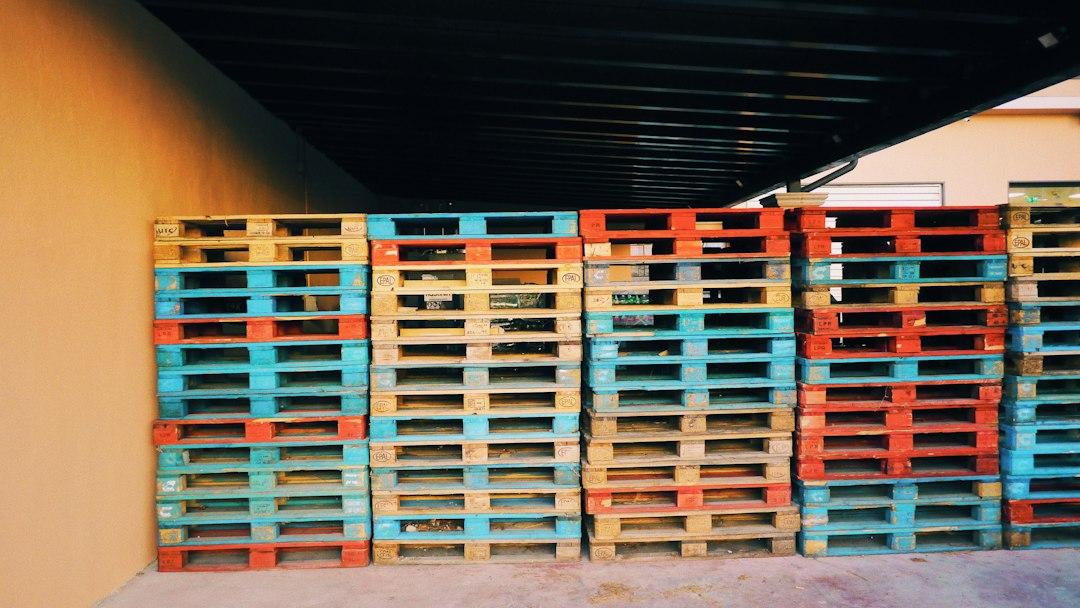
Returnable packaging means durable crates, bins and pallets that go out full and come back to be used again. It replaces single-use boxes on lanes where you ship to the same buyer regularly.
The return leg decides whether it pays. Foldable designs make the difference. With folded pallets, one 22 ft high-cube container can bring back 100 empty pallets against 30 loaded ones going out, a 3.3× gain in return density. Plastic returnables also sit outside ISPM 15, so there is no treatment step to repeat.
2. Right-sized packaging, for every lane
Right-sizing means designing packaging around the part and the container, not picking a standard box. It cuts filler material, fits more parts per container and lowers damage, because parts can’t move in transit.
It works on one-way lanes too, where returnables don’t, which makes it the easiest first switch for most exporters.
3. Recycled and recyclable materials, for one-way lanes
Where packaging won’t come back, change what it is made of. Recycled kraft and recyclable plastics replace virgin material without changing how you ship.
It doesn’t have to cost more. For one metal manufacturer, Fitsol replaced virgin boxes with 100% recycled kraft. That eliminated 2,64,000 virgin boxes a year, cut cost per box by 5 to 7% and avoided 84.5 tCO₂e annually.
Should you rent or buy returnable packaging?
Rent (OPEX) when you want to start without capital outlay. Buy (CAPEX) when the lane is stable and the volumes are high.
Renting (OPEX)
- No upfront investment. You pay as the packaging is used.
- Easier to trial on one lane before committing.
- Repairs, replacements and float can sit with the provider.
- Suits new lanes, seasonal volumes and smaller exporters.
Buying (CAPEX)
- Lower cost per trip once the packaging has done enough trips.
- Full control over design, fleet size and tracking.
- Suits fixed, high-volume lanes with a reliable return route.
A practical route is to rent on one or two lanes, prove the savings, then buy for the lanes that run every week. The deciding numbers are the same either way: trips per year, return cost per trip and damage avoided.

Conclusion
Greener export packaging isn’t one switch. It is matching the right option to each lane: returnables where packaging can come back, right-sizing everywhere, and recycled materials where it can’t. Done that way, cost and carbon come down together.
Fitsol designs packaging around each part and container, tracks returnable assets with Bluetooth (BLE) tags, and manages programmes on both rental (OPEX) and purchase (CAPEX) models, from design to retrieval.
Not sure which of your export lanes would pay back? Talk to Fitsol and we’ll help you find out.
FAQs
Can returnable packaging work for export? Yes, on lanes with a regular buyer and a return route. Foldable designs keep the return leg affordable by fitting far more empty units in each container.
Do plastic pallets need ISPM 15 treatment? No. ISPM 15 applies to solid wood packaging over 6 mm thick. Plastic, paper and cardboard packaging is outside its scope.
Is recycled packaging strong enough for export? It depends on the load and the journey. Test it on your heaviest parts and longest lanes first, and right-size it so parts can’t move in transit.
Is renting returnable packaging cheaper than buying? Renting is cheaper to start, because there is no upfront cost. Buying usually works out cheaper per trip on stable, high-volume lanes.
Over to you: Which would you switch first on your export lanes: returnables, right-sized packaging or recycled materials? Tell us in the comments.
Visit us at fitsol.green. Join our LinkedIn community, The Decarbonisation Exchange: Procurement · Supply Chain · Sustainability, WhatsApp network, Net Zero Community, for ongoing discussions, insights, and updates and Volt.Bolt.Go. for conversations around the EV ecosystem.