

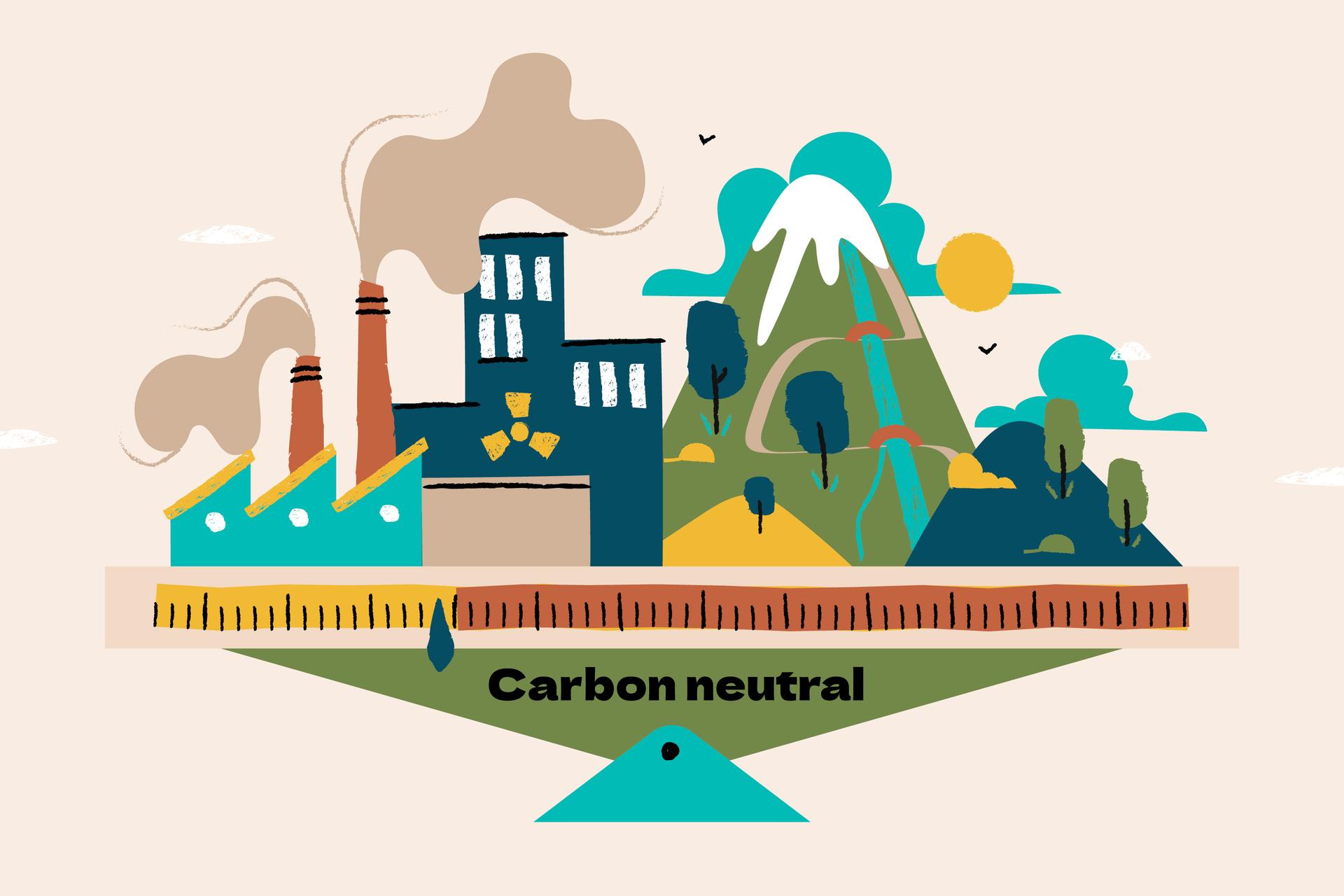
Net zero strategies fail when they start with reporting instead of energy transformation. For most organisations, the largest, most controllable emissions sit in energy use across operations and suppliers. Addressing energy decarbonization first is what makes net zero supply chains credible, scalable, and commercially viable.

Photo by Matthias Heyde on Unsplash
Why Net Zero Breaks Down in Practice
When it comes to achieving their net zero goals, there are many organisations that approach is as more of a disclosure milestone rather than an operational shift. However, this results in a mere compilation of emissions data and does not address the energy systems that generate those emissions.
Industrial energy emissions; fuel combustion, electricity use, and process energy, form the backbone of most supply chain footprints. When these are left unchanged, downstream Scope 3 reductions remain theoretical.
This gap is well documented. In a peer-reviewed study published in Energy Policy, researchers found that net-zero frameworks deliver measurable outcomes only when carbon accounting is directly linked to operational energy decisions across the value chain, rather than being treated as a standalone reporting exercise.
Energy Decarbonization Is the Real Starting Point
When it comes to establishing a credible net zero supply chain strategy, one needs to focus on Scope 1 and Scope 2 decarbonization, at the beginning. These are emissions that the organisations and their core suppliers can directly influence.
Energy intensity determines the carbon embedded in products long before they move downstream. If factories, warehouses, and logistics hubs continue to rely on carbon-intensive energy, Scope 3 emissions are simply redistributed, not reduced.
This is reinforced by academic research. A study published in Journal of Cleaner Production shows that supply chains integrating low-carbon energy systems early; through electrification, efficiency improvements, and renewable sourcing, achieve faster and more durable emissions reductions than those relying primarily on offsets or post-hoc adjustments.
Renewable Energy Adoption: The India Reality
In India, energy decarbonization is both a structural challenge and a major opportunity. Renewable energy adoption; solar, wind, and biomass, has the potential to significantly reduce industrial energy emissions, especially in manufacturing-led supply chains.
However, supplier readiness remains uneven. Many tier-2 and tier-3 suppliers lack technical awareness, financial access, or planning capability to transition energy systems independently. This creates a bottleneck where net-zero ambitions outpace execution.
Research published in Nature Energy highlights that emerging economies achieve faster industrial decarbonization when energy transitions are paired with structured supplier enablement and system-level coordination, rather than voluntary adoption alone.
From Energy Data to Execution
When it comes to energy decarbonization, it goes beyond the mere practice of sourcing renewables, it is about measuring, managing, and acting on energy data consistently. Organisations that embed energy metrics into daily operations gain visibility into cost, efficiency, and emissions simultaneously.
This operational integration is what transforms energy decarbonization supply chains from a compliance burden into a long-term performance advantage.
Conclusion
Net zero is not a reporting challenge, it is an energy challenge. Until organisations prioritise industrial energy emissions, Scope 1 and Scope 2 decarbonization, and renewable energy adoption across their supply chains, net-zero targets will remain aspirational. Energy transformation is what anchors supply chain decarbonization in reality, scale, and business value.
FAQs
Why is energy decarbonization critical for net zero supply chains?
Because energy use drives the largest share of industrial and supplier emissions, making it the most impactful starting point.
How do Scope 1 and Scope 2 reductions influence Scope 3 emissions?
Lower upstream energy emissions reduce the carbon intensity embedded in products and services across the value chain.
Is renewable energy adoption feasible for Indian supply chains?
Yes, but it requires structured enablement, financing access, and long-term integration support for suppliers.
Can net zero succeed without addressing energy first?
No. Without energy decarbonization, net-zero strategies improve disclosures but fail to deliver sustained emissions reductions.